causes of coma: what are the conditions of infratentorial space-occupying lesions?
- 2025-03-13
- Dr. Xiao
- 366
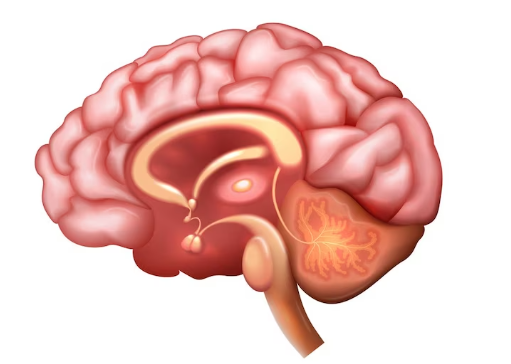
infratentorial space-occupying lesions, infratentorial structures mainly include the brainstem, cerebellum and fourth ventricle. the reticular mechanism in the brainstem is an important structure in maintaining arousal function. the foramen magnum is the communication channel between the posterior cranial fossa and the spinal canal, which contains the medulla oblongata. the cerebellar tonsils are located below the cerebellum and close to the upper edge of the foramen magnum. they are susceptible to pressure transmission from top to bottom and shift downward into the spinal canal in the upper cervical segment to form a brain herniation, that is, foramen magnum herniation (cerebellar tonsillar herniation). in addition, when the volume of the infratentorial space gradually increases, the pressure can also be transmitted upward, causing the anterior lobe of the cerebellum and the vermis to be pressed upward and displaced, and eventually become embedded in the tentorial foramen, forming a supratentorial herniation.
when the foramen magnum hernia occurs, the medulla oblongata is compressed, causing ischemia, hypoxia, edema, and respiratory and circulatory disorders. early or chronic foramen magnum hernia generally does not affect the arousal activation system, so it will not cause coma. however, if the brain herniation is not relieved or continues to develop, the reticular system will eventually be damaged and cause coma. it may also cause respiratory and circulatory failure and coma due to brainstem ischemia and hypoxia. supratentorial herniation can compress the quadrigemium and tegmentum, causing inability to look upward, mydriasis, loss of light reflex, and hearing impairment. damage to the ascending activation system of the brainstem reticular structure can lead to disturbance of consciousness, and even coma.
whether it is foramen magnum herniation or tentorial hiatal hernia, it often compresses the brainstem, causing severe vital sign disorders, and ultimately leading to respiratory and circulatory arrest and death.
therefore, hernias caused by infratentorial space occupancy are often severe and have a high mortality rate, and medical staff should attach great importance to them.
Related Information
-
a brief discussion on the mortality rate of hypertensive cerebral hemorrhage
-
how long does it usually take to wake up from coma after brainstem hemorrhage?
-
can patients with cerebral hemorrhage still move their hands when they are in a deep coma?
-
when should i start awakening treatment if i am unconscious due to cerebral hemorrhage?
-
do you have to wake up when you suddenly move in deep coma in patients with cerebral hemorrhage?
-
why does high blood pressure cause coma?