adams explains the classification of causes of coma
- 2025-02-23
- Dr. Xiao
- 402
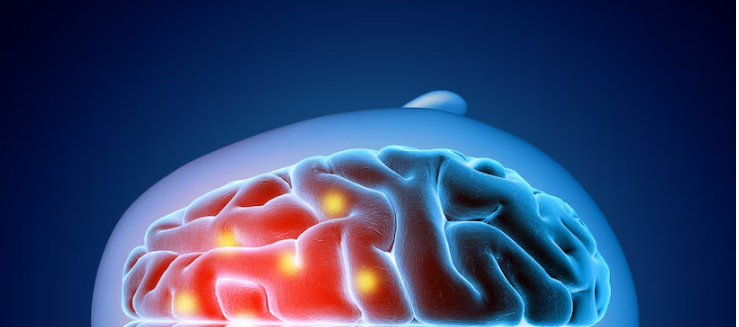
this type of classification method mainly divides the causes into three categories based on the presence or absence of local brain symptoms, meningeal irritation signs and cerebrospinal fluid changes.
1. no cerebrospinal fluid changes or local brain symptoms
(1) there are clear causes of poisoning: alcohol, narcotics, sleeping pills, etc.;
(2) abnormal urine tests: uremia, diabetes, etc.;
(3) metabolic abnormalities: hepatic coma, diabetes, pulmonary encephalopathy, etc.;
(4) shock;
(5) epilepsy;
(6) eclampsia and hypertension (7) concussion;
(8) abnormal body temperature: such as myxedema, heat stroke, thyroid storm (9) severe infection: pneumonia, typhoid, dysentery;
2. there are local symptoms of the brain and changes in cerebrospinal fluid (or not)
(1) sudden onset of illness: cerebral hemorrhage, cerebral infarction, cerebral thrombosis, etc.;
(2) starting with fever: brain abscess, thrombophlebitis, encephalitis, cerebrospinal fluid inflammation, etc.;
(3) chronic onset: brain tumors, parasitic diseases, etc.;
(4) related to trauma: concussion, brain contusion, epidural and subdural hematoma;
3. there are changes in cerebrospinal fluid and often no local symptoms in the brain
(1) subarachnoid hemorrhage
(2) acute encephalitis: purulent meningoencephalitis, japanese encephalitis, etc.
(3) subacute or chronic diseases: fungal meningitis, tuberculous meningitis, cancerous meningitis
Related Information
-
a brief discussion on the mortality rate of hypertensive cerebral hemorrhage
-
how long does it usually take to wake up from coma after brainstem hemorrhage?
-
can patients with cerebral hemorrhage still move their hands when they are in a deep coma?
-
when should i start awakening treatment if i am unconscious due to cerebral hemorrhage?
-
do you have to wake up when you suddenly move in deep coma in patients with cerebral hemorrhage?
-
why does high blood pressure cause coma?