introduction to symptoms of deep coma
- 2025-05-08
- Dr. Xiao
- 356
coma is a state of complete loss of consciousness, no spontaneous eye opening, lack of awakening and sleep cycles, and inability to be awakened by any sensory stimulation. it can be divided into light coma, moderate coma and deep coma. deep coma is the most severe state of consciousness. it is unresponsive to any external stimulation. the muscles of the whole body are relaxed. the patient's eyeballs are fixed, the pupils are dilated, and the reflexes of the brainstem disappear, including the disappearance of the light reflex of the pupils.
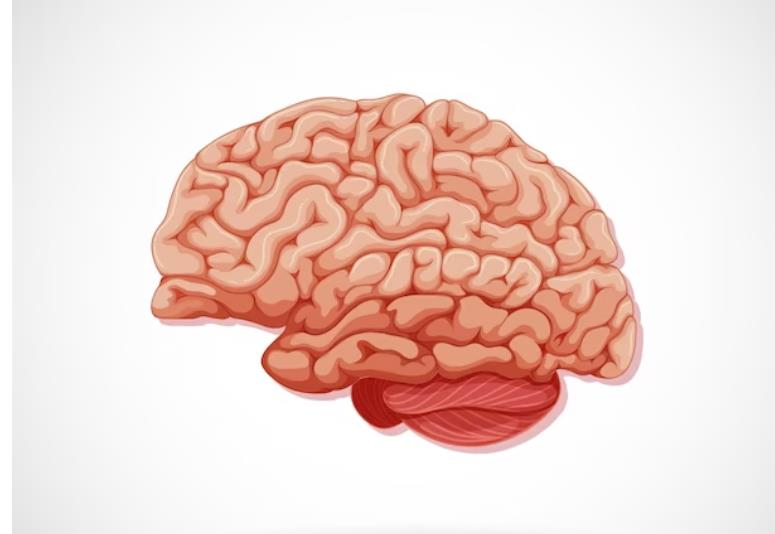
in addition, there are obvious changes in vital signs, such as irregular blood pressure and heart rate, blood pressure can be significantly reduced, the heart rate first becomes faster, and then slows down, and the breathing rhythm also becomes irregular, or the breathing becomes shallow and slow. patients in deep coma are in critical condition and often near death.
(warm reminder: medical science sharing. this content does not represent face-to-face consultation. if you feel unwell, please seek medical treatment as soon as possible.)
Related Information
-
a brief discussion on the mortality rate of hypertensive cerebral hemorrhage
-
how long does it usually take to wake up from coma after brainstem hemorrhage?
-
can patients with cerebral hemorrhage still move their hands when they are in a deep coma?
-
when should i start awakening treatment if i am unconscious due to cerebral hemorrhage?
-
do you have to wake up when you suddenly move in deep coma in patients with cerebral hemorrhage?
-
why does high blood pressure cause coma?