why can't i breathe on my own in a deep coma?
- 2025-08-10
- Dr. Xiao
- 494
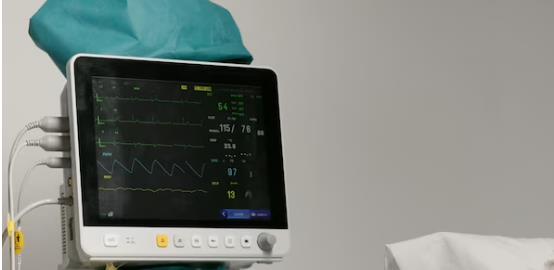
deep coma is the most severe degree of consciousness disorder. all deep and shallow reflexes in the patient's body disappear and cannot be elicited. muscle tone decreases, muscles relax, and pathological signs disappear. patients often have fixed mydriasis, loss of light reflexes, and may also experience decerebrate or decortical tonic attacks.
the patient's spontaneous breathing will be affected, and the breathing rhythm will be irregular. in severe cases, the spontaneous breathing will disappear. at the same time, the blood pressure will fluctuate, the pulse will weaken, the body temperature will drop, and the patient will be in a dying or dying state. the disappearance of spontaneous breathing is mainly related to the damage or suppression of the respiratory center. without central impulses to control breathing movements, the patient will not have respiratory impulses and needs a ventilator to assist breathing and barely maintain the patient's vital signs.
(warm reminder: medical science sharing. this content does not represent face-to-face consultation. if you feel unwell, please seek medical treatment as soon as possible.)
Related Information
-
a brief discussion on the mortality rate of hypertensive cerebral hemorrhage
-
how long does it usually take to wake up from coma after brainstem hemorrhage?
-
can patients with cerebral hemorrhage still move their hands when they are in a deep coma?
-
when should i start awakening treatment if i am unconscious due to cerebral hemorrhage?
-
do you have to wake up when you suddenly move in deep coma in patients with cerebral hemorrhage?
-
why does high blood pressure cause coma?